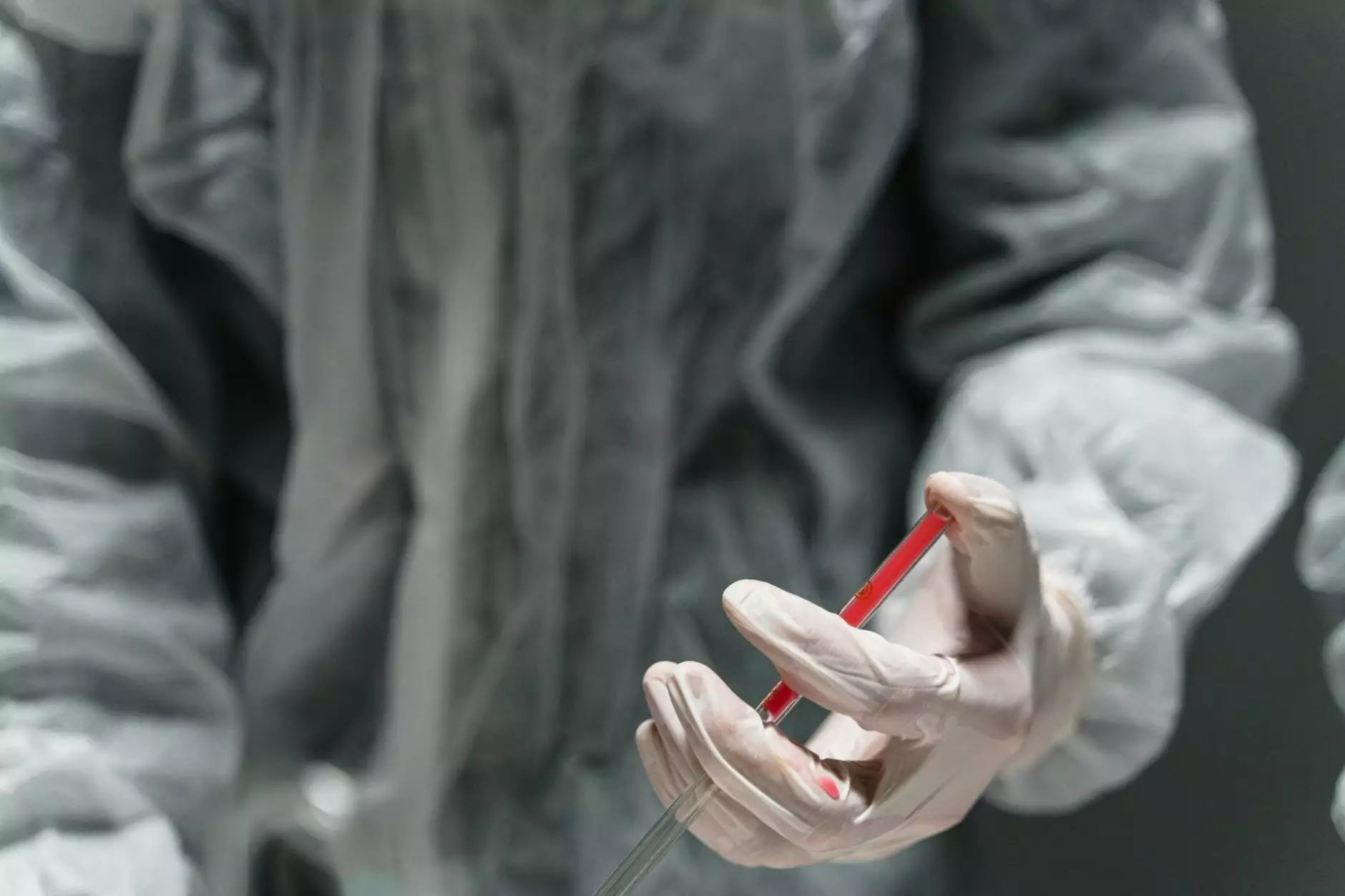
The Importance of Cancer Oncology Clinics

In the ever-evolving landscape of cancer treatment, the role of specialized centers, such as cancer oncology clinics, has become increasingly vital. These facilities offer comprehensive care tailored to individuals battling various forms of cancer. This article delves into the multifaceted world of cancer oncology clinics, exploring the significance of their services, the advanced technology utilized, and the compassionate care they provide to enhance patient outcomes.
Understanding Cancer Oncology Clinics
Cancer oncology clinics are specialized healthcare facilities focused on diagnosing, treating, and supporting patients with cancer. Unlike general hospitals, these centers provide targeted therapies and treatments by professionals who are experts in oncology. Not only do they treat cancer, but they also provide holistic care that addresses the emotional, psychological, and social aspects of living with cancer.
Key Services Offered at Cancer Oncology Clinics
The scope of services at a cancer oncology clinic is extensive, ensuring that patients receive comprehensive treatment and care. Here are some of the primary offerings:
- Diagnostic Imaging: Utilization of advanced imaging technologies, such as MRI, CT scans, and PET scans, for accurate diagnosis.
- Radiation Therapy: State-of-the-art radiation treatments, including intensity-modulated radiation therapy (IMRT) and stereotactic body radiation therapy (SBRT).
- Chemotherapy: Administering chemotherapy regimens tailored to the type and stage of cancer.
- Surgical Interventions: Performing specialized oncological surgeries to remove tumors and affected tissues.
- Immunotherapy: Cutting-edge treatments that harness the body’s immune system to fight cancer.
- Palliative Care: Support for managing symptoms and improving the quality of life for patients at all stages of the disease.
Expert Medical Professionals in Oncology
Cancer oncology clinics are staffed by a diverse team of medical professionals who work collaboratively to provide the best care for patients. This team typically includes:
- Oncologists: Medical doctors specializing in diagnosing and treating cancer.
- Radiation Oncologists: Experts in using radiation therapy to treat cancer.
- Surgeons: Specialists trained in oncological surgeries.
- Nurses: Skilled nursing professionals who provide care and support through treatment.
- Oncology Pharmacists: Specialists in managing cancer treatments and medications.
- Social Workers: Professionals who assist patients with emotional and practical challenges.
The Importance of Multidisciplinary Care
One of the defining features of cancer oncology clinics is their multidisciplinary approach to care. This strategy involves various specialists working together to create comprehensive treatment plans tailored to each patient's specific needs. The collaboration ensures that all aspects of a patient's health are addressed, from physical symptoms to emotional well-being.
Technological Advances in Cancer Treatment
The field of oncology is rapidly evolving, thanks to technological advancements that improve diagnostic accuracy and treatment efficacy. Cancer oncology clinics are at the forefront of these innovations, utilizing the following technologies:
1. Precision Medicine
Precision medicine involves tailoring treatment based on the individual characteristics of each patient's cancer. By understanding the genetic makeup of tumors, oncologists can select the most effective therapies with minimal side effects. This personalized approach represents a paradigm shift in how cancer is treated.
2. Advanced Imaging Techniques
Techniques such as 3D mammography, functional MRI, and ultrasound elastography enhance diagnostic capabilities, allowing for earlier detection and more precise characterization of tumors. These technologies enable oncologists to formulate targeted treatment plans efficiently.
3. Robotic-Assisted Surgery
Robotic-assisted surgical systems provide surgeons with enhanced visualization, precision, and control during operations. This minimally invasive technique often results in quicker recovery times and less pain for patients.
Patient Support and Resources
Beyond medical treatment, cancer oncology clinics prioritize patient support. The emotional burden of a cancer diagnosis can be overwhelming, making support services crucial. Here are some essential resources provided:
- Psychosocial Support: Counseling services to help patients cope with the emotional aspects of cancer.
- Nutritional Support: Dieticians who provide dietary recommendations to strengthen the body during treatment.
- Support Groups: Facilitated sessions where patients can share experiences and connect with others facing similar challenges.
- Financial Guidance: Assistance with navigating the financial implications of cancer treatment.
Advocacy and Community Engagement
Cancer oncology clinics often engage in community outreach and advocacy programs. These initiatives aim to:
- Raise Awareness: Educating the public about cancer prevention, early detection, and treatment options.
- Promote Research: Supporting clinical trials that contribute to the advancement of cancer care.
- Empower Patients: Providing resources for patients to make informed decisions about their health.
The Future of Cancer Care
The future of cancer treatment is bright, thanks in large part to the innovations and comprehensive care model offered by cancer oncology clinics. As research continues to unveil new treatment strategies and technologies, these clinics will remain at the forefront of oncology, ensuring that patients receive the most effective and compassionate care available.
In conclusion, cancer oncology clinics are indispensable in the battle against cancer. They not only provide cutting-edge treatment options but also focus on the overall well-being of patients. By harnessing technology, fostering multidisciplinary collaboration, and offering unwavering support, these clinics are redefining cancer care and improving outcomes for patients worldwide.
For those seeking comprehensive cancer treatment and support, look no further than the expertise found at oncologicalsurgery.net. Here, patients can expect a holistic approach to their health, backed by experienced professionals dedicated to their healing journey.