Comprehensive Guide to Thoracic Surgery and the Role of a Thoracic Surgeon in Modern Healthcare
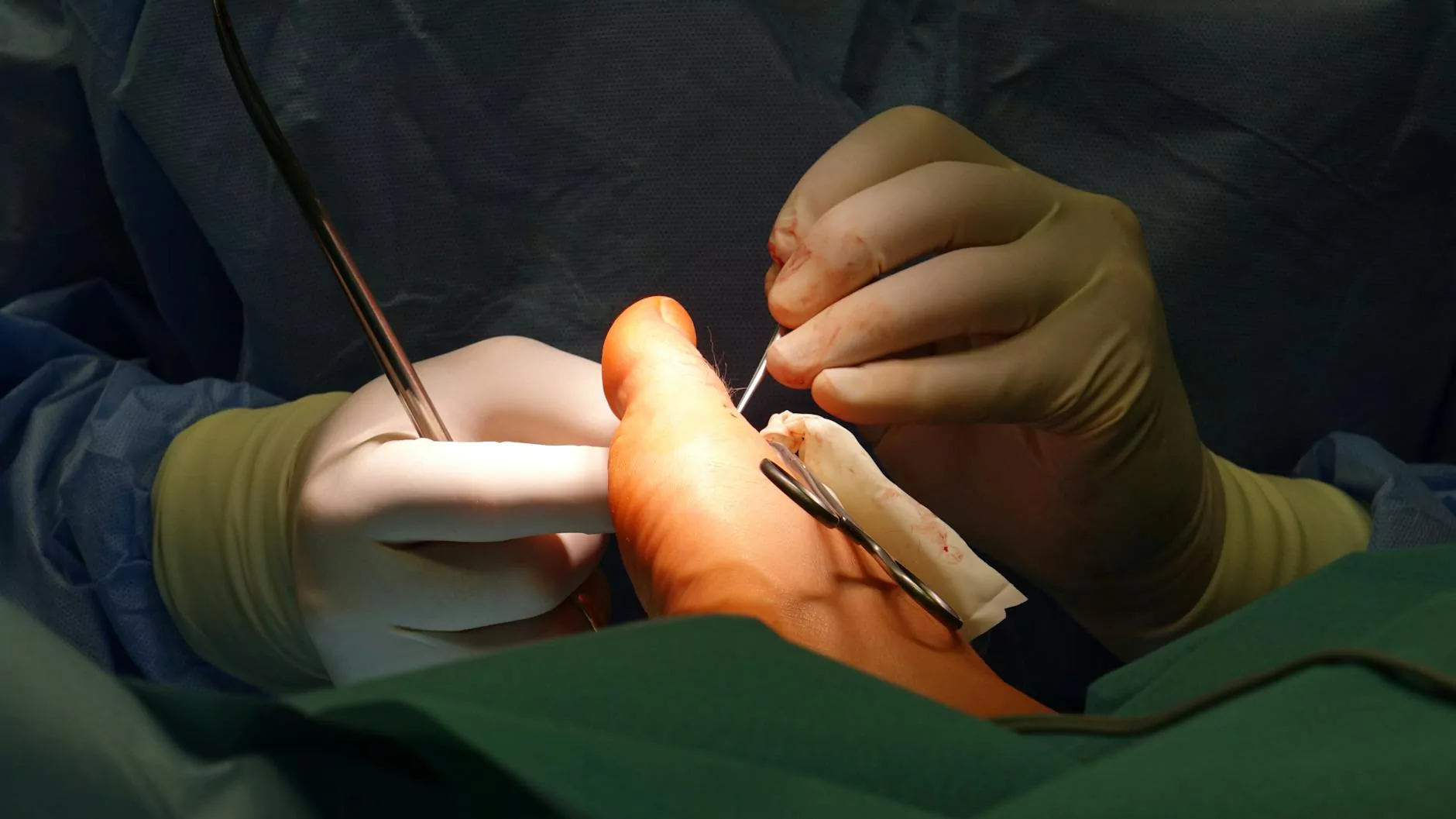
In the realm of modern medical practice, the expertise of thoracic surgeons plays a crucial role in diagnosing, treating, and managing diseases of the chest cavity, including conditions affecting the lungs, esophagus, heart, and other thoracic organs. As specialized specialists, these surgeons are integral to multidisciplinary healthcare teams, working closely with pulmonologists, cardiologists, and physical therapists to ensure comprehensive patient care.
Understanding the Role and Expertise of a Thoracic Surgeon
A thoracic surgeon is a highly trained medical professional specializing in operations on organs within the thoracic cavity—a complex structure that includes the lungs, heart, esophagus, and trachea. Their expertise encompasses a broad scope of procedures ranging from minimally invasive surgeries to complex open-heart surgeries, lung resections, and esophageal surgeries.
The Extensive Training of a Thoracic Surgeon
The journey to becoming a thoracic surgeon involves years of rigorous education and training. After completing a medical degree, physicians undertake a general surgery residency, followed by a specialized fellowship in cardiothoracic surgery. This comprehensive training equips them with the skills necessary for precise surgical interventions, critical decision-making, and post-operative care management.
Core Specializations of a Thoracic Surgeon
- Lung cancer surgery: Resection of malignant tumors, lobectomies, pneumonectomies, and minimally invasive thoracoscopic procedures.
- Esophageal surgery: Repair of esophageal tumors, achalasia treatments, and hiatal hernia repairs.
- Tracheal surgery: Correction of tracheal stenosis and other airway obstructions.
- Cardiac surgery: Including procedures such as coronary artery bypass grafting (CABG), valve repairs, and pulmonary thromboendarterectomy.
- Trauma and emergency thoracic procedures: Managing traumatic injuries involving the chest cavity, including bleeding, lung punctures, and rib fractures.
- Minimally invasive surgery: Experience with video-assisted thoracoscopic surgery (VATS) and robotic-assisted thoracic procedures reduces recovery time and postoperative discomfort for patients.
The Significance of a Thoracic Surgeon in Modern Healthcare
In contemporary medicine, the contributions of a thoracic surgeon are invaluable. Their expertise not only involves performing complex surgeries but also encompasses diagnosing thoracic diseases, planning multidisciplinary treatments, and working in collaboration with physical therapists and other healthcare providers to enhance patient outcomes.
Early Detection and Surgical Intervention
Many thoracic conditions, such as lung tumors or esophageal disorders, are often asymptomatic until they reach advanced stages. A thoracic surgeon plays a pivotal role in early diagnosis through imaging and biopsies, followed by timely surgical intervention, which significantly improves prognosis and survival rates.
Advancements in Surgical Techniques
The field of thoracic surgery has seen dramatic technological advancements over recent decades. Innovations like minimally invasive techniques—VATS and robotics—have revolutionized patient care by reducing surgical trauma, minimizing scarring, decreasing hospital stays, and accelerating recovery. Such innovations demand highly skilled thoracic surgeons who are continually updating their expertise.
Integration with Other Medical Disciplines and Physical Therapy
Collaboration with physical therapists is essential for post-operative recovery, especially for patients undergoing lung or cardiac surgeries. Physical therapy programs focus on respiratory exercises, pain management, and mobility enhancement, which are crucial for a successful recovery process. The multidisciplinary approach ensures that patients receive holistic care that addresses surgical needs, functional recovery, and quality of life improvements.
Common Conditions Treated by a Thoracic Surgeon
Patients seek the services of a thoracic surgeon for a wide array of medical conditions, including but not limited to:
- Lung Cancer: The most prevalent reason for thoracic surgeries, involving removal of malignant tumors.
- Benign Lung Diseases: Such as emphysema, ground-glass opacities, or lung cysts.
- Esophageal Disorders: Including reflux, achalasia, and tumors requiring surgical removal or reconstruction.
- Trauma and Emergency Conditions: Including chest injuries, bleeding, or airway obstructions.
- Thymic and Mediastinal Tumors: Resection of tumors in the anterior mediastinum, including thymomas.
- Pleural Diseases: Such as pleural effusions, infections, or mesothelioma.
- Cardiac Conditions Requiring Surgery: Like ventricular septal defects or coronary bypass procedures.
The Intersection Between Surgical and Non-Surgical Treatments: Role of Physical Therapy
Postoperative physical therapy is crucial in optimizing recovery after thoracic surgeries. A specialized physical therapist works with patients to improve respiratory function, restore mobility, and reduce pain. At hellophysio.sg, physical therapy programs are tailored to complement surgical procedures, ensuring that patients regain their strength and functionality efficiently.
Rehabilitation Strategies Post-Torsacic Surgery
- Respiratory Exercises: Enhance lung capacity, clear secretions, and improve oxygenation.
- Mobilization and Physical Activity: Prevent blood clots, reduce muscle atrophy, and promote overall recovery.
- Pain Management: Non-invasive techniques to control discomfort and enable effective participation in therapy.
- Functional Training: Restore activities of daily living and enable patients to return to normal routines.
Choosing the Right Thoracic Surgeon in Singapore
When seeking thoracic surgical expertise, patients need to consider several factors:
- Experience and Certification: Ensure the surgeon is board-certified with extensive experience in thoracic procedures.
- Reputation and Patient Outcomes: Look for positive reviews, success rates, and testimonials.
- Multidisciplinary Accessibility: Ability to work with pulmonologists, oncologists, and physical therapists for comprehensive care.
- Facility Infrastructure: Access to state-of-the-art surgical equipment and minimally invasive technology.
- Availability of Postoperative Support: Ongoing care and physical therapy services to facilitate recovery.
Why Choose hellophysio.sg for Your Healthcare Needs
hellophysio.sg offers a holistic approach to healthcare, integrating specialized physical therapy with medical treatments. Their team of experienced professionals collaborates tightly with surgeons and medical specialists to ensure a patient's seamless recovery journey. Whether you require preoperative assessment, surgical consultation, or postoperative rehabilitation, their comprehensive services provide the highest quality care tailored to your individual needs.
Conclusion: The Critical Role of a Thoracic Surgeon in Modern Medicine
In summary, the expertise of a thoracic surgeon is vital for managing complex diseases of the chest cavity that require surgical intervention. Their role extends beyond the operating room, encompassing diagnosis, innovative treatment planning, collaboration with multidisciplinary teams, and post-surgical rehabilitation through physical therapy. As medical technology continues to evolve, the responsibilities and skills of thoracic surgeons grow increasingly sophisticated, shaping the future of thoracic healthcare.
By understanding the profound impact of thoracic surgery and the importance of specialist care, patients can make informed decisions and seek the best possible outcomes for their health and well-being.


