Unveiling the Power of the Lathe Parts Factory in Modern Manufacturing
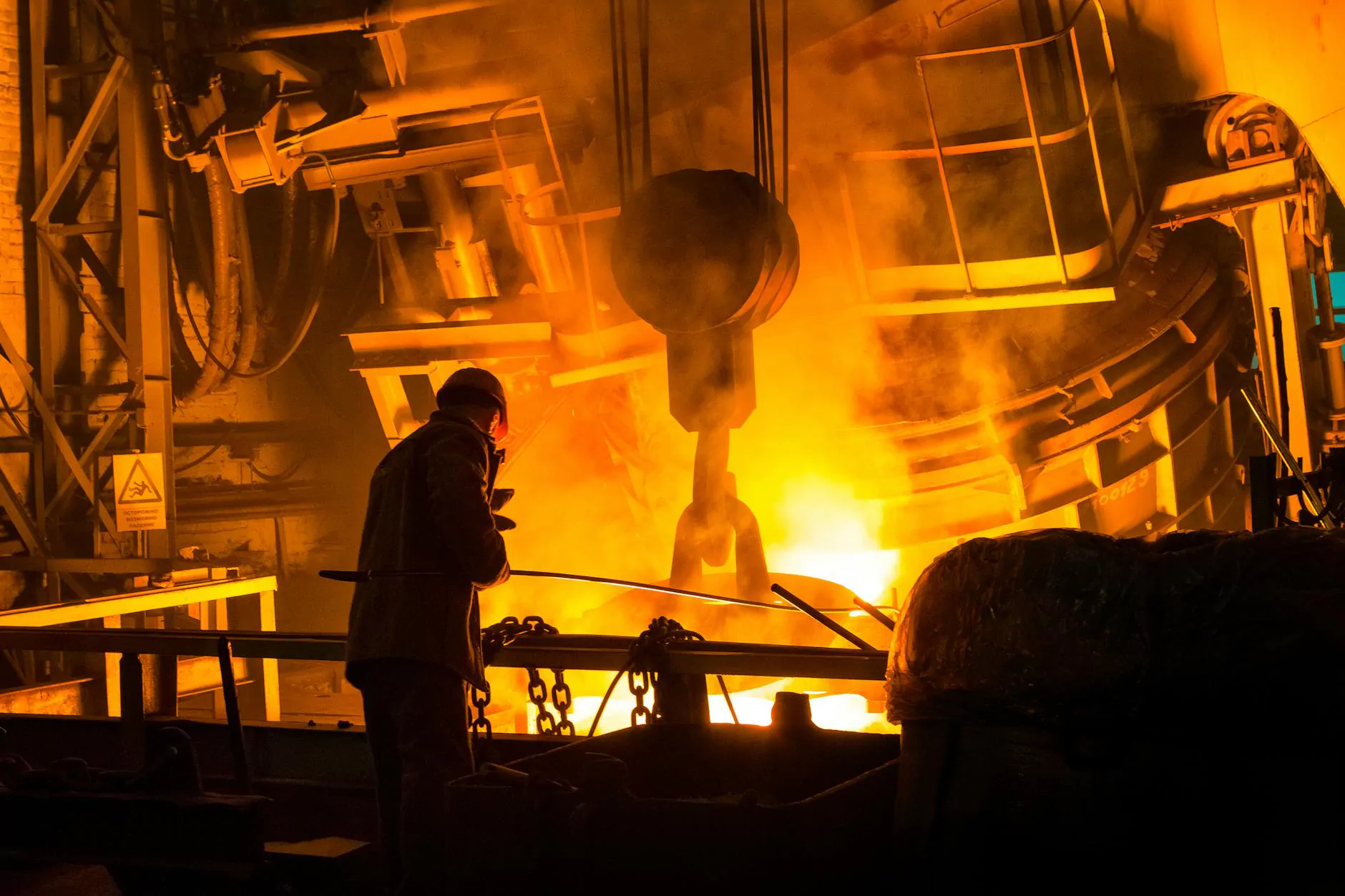
The manufacturing landscape has evolved dramatically over recent decades, driven by technological innovations, increasing demand for precision components, and the relentless pursuit of efficiency. At the heart of this vibrant sector lies the lathe parts factory—a cornerstone of modern metal fabrication. This article delves deep into the intricacies of the lathe parts factory industry, highlighting how it propels business growth, ensures manufacturing excellence, and shapes the future of industrial production.
Understanding the Role of a Lathe Parts Factory in the Manufacturing Ecosystem
Lathe parts factories serve as specialized hubs dedicated to producing high-precision components used in various machines, from automotive to aerospace, electronics to heavy machinery. These factories are equipped with state-of-the-art lathes, CNC machines, and automation systems that enable the production of complex, durable, and exact parts with minimal waste.
The Significance of Precision in Lathe Parts Manufacturing
Precision is paramount when it comes to lathe parts. Whether it’s a critical component for an aircraft engine or a custom part for industrial machinery, accuracy determines performance, safety, and longevity. Lathe parts factories utilize advanced measurement tools, quality control systems, and skilled craftsmanship to consistently meet stringent specifications.
Technological Advancements Driving Business Success
Modern lathe parts factories leverage innovations such as CNC (Computer Numerical Control) machining, automation, and AI-driven quality assurance. These technologies increase productivity, reduce errors, and allow customization at scale, offering a significant competitive advantage.
Key Components of a Successful Lathe Parts Factory
State-of-the-Art Machinery
Equipping a factory with the latest CNC lathes, multi-axis turning centers, and robotic automation tools is essential. These machines enable complex geometries, tighter tolerances, and faster turnaround times, directly impacting the quality and cost efficiency of products.
Skilled Workforce
Expert machinists and quality technicians are the backbone of the lathe parts factory. Their proficiency in programming, operation, and inspection ensures that every component meets exact specifications, fostering trust and long-term client relationships.
Robust Quality Control Systems
Implementing rigorous inspection routines, including 3D scanning, coordinate measuring machines (CMM), and material testing, guarantees that only parts of the highest quality leave the factory, reinforcing a reputation for excellence.
Sustainable and Efficient Processes
Modern factories prioritize sustainability by reducing waste, recycling metals, and optimizing energy consumption. These practices not only lower costs but also align with global environmental standards, appealing to eco-conscious clients.
Business Opportunities in the Lathe Parts Factory Sector
The lathe parts factory industry presents a multitude of opportunities for entrepreneurs and established businesses alike. As industries like automotive, aerospace, and electronics continue to demand precision components, the scope for growth remains vast. Here’s a closer look at potential avenues:
- Custom Component Manufacturing: Providing tailor-made parts for niche markets or specific client needs
- Mass Production: Scaling operations to fulfill large orders for automotive or machinery manufacturers
- Prototype Development: Assisting R&D teams by producing prototypes with rapid turnaround
- Material Diversification: Expanding beyond traditional metals into composites and specialized alloys for unique applications
- Export Opportunities: Tapping into international markets where demand for high-precision lathe parts is surging
Strategies for Building a Leading Lathe Parts Factory
Investment in Technology and Infrastructure
To stay ahead, a factory should continuously upgrade its machinery, integrate Industry 4.0 standards, and adopt automation systems. These investments reduce production costs, improve quality consistency, and enable rapid adaptation to market changes.
Focus on Quality and Certification
Achieving certifications such as ISO 9001, AS9100 (for aerospace), or IATF 16949 (for automotive) demonstrates commitment to quality and opens doors to global markets. Certification also assures clients of the factory’s reliability.
Workforce Development and Skill Enhancement
Ongoing training programs ensure that operators and technicians stay current with technological advancements, fostering innovation and maintaining competitive edge.
Building Strong Customer Relationships
Exceptional customer service, timely delivery, and proactive communication create long-term partnerships. Listening to client needs and offering value-added services like designing support or post-production inspection further enhance competitiveness.
Challenges Faced by Lathe Parts Factories and How to Overcome Them
Rising Material Costs
Mitigate this by bulk purchasing, negotiating long-term supplier agreements, and exploring alternative materials without compromising quality.
Technological Complexities
Stay updated on technological trends and invest in training programs. Collaborate with technology providers for seamless integration of new equipment.
Market Fluctuations and Demand Variability
Diversify client base and geographic markets to buffer against regional or industry-specific downturns. Lean manufacturing principles can also enhance flexibility.
Environmental and Regulatory Compliance
Adhere to environmental standards through sustainable practices, waste management, and emission controls, ensuring compliance and avoiding penalties.
Future Outlook for the Lathe Parts Factory Industry
The future of lathe parts factories is promising, driven by Industry 4.0, additive manufacturing, and increasing global demand for high-precision components. Embracing digital transformation, automation, and sustainable practices will define successful businesses in this sector.
Moreover, advances in materials science, such as new alloys and composites, will allow factories to innovate and produce parts with enhanced properties, opening new markets and applications. The growing trend towards electric vehicles, renewable energy, and robotics will further escalate the demand for specialized, high-quality lathe parts.
Why Partner with Deep Mould for Your Lathe Parts Factory Needs?
Deep Mould stands out as a premier provider of metal fabrication solutions with extensive expertise in manufacturing high-precision lathe components. Our commitment to quality, technological innovation, and customer satisfaction makes us a trusted partner for businesses aiming to excel in the competitive lathe parts factory industry.
From small prototypes to large-volume productions, our advanced facilities, highly skilled workforce, and strict quality control processes ensure that your requirements are not only met but exceeded. We pride ourselves on providing comprehensive manufacturing solutions tailored to your specific needs.
Conclusion: Embracing Growth in the Lathe Parts Factory Industry
The lathe parts factory industry is a vital pillar of modern manufacturing, continuously evolving through technological innovations and strategic growth initiatives. By investing in cutting-edge machinery, cultivating skilled personnel, and fostering a culture of quality and sustainability, businesses can harness immense opportunities for expansion and success.
Leveraging industry insights, advanced processes, and building strong client relationships will ensure that your lathe parts factory remains competitive and profitable in an increasingly global marketplace. As the demand for precision components accelerates across multiple industries, now is the ideal time to prioritize innovation and operational excellence.
Partner with industry leaders like Deep Mould to catalyze your growth trajectory and secure a prominent position in the future of manufacturing.


